What Is Mental Health in the Workplace?
Mental health in the workplace refers to the psychological and emotional well-being of employees within their professional environment. It’s influenced by many factors — from workload to job satisfaction, relationships with colleagues, and the quality of management support. Healthy workplace mental health means employees feel balanced, valued, and motivated to perform at their best.
Employee mental health directly affects productivity and staff retention. When mental health at work is valued, employees are engaged and perform consistently. On the other hand, ignoring mental health in the workplace can lead to burnout and high turnover, which ultimately harm the organization’s growth and culture.
Today, more employers are recognizing the importance of mental health and taking proactive steps to create supportive environments. That is why mental health awareness in the workplace is no longer an optional HR trend, it’s a vital business priority.
In this article, we’ll explore what mental health and work mean in practice, why they’re so closely connected, what challenges companies face if they overlook employee mental health, and how organizations can support mental health through policies and digital tools.
Section 1: What Is Mental Health in the Workplace and Why It Matters
1.1 The Concept of Mental Health at Work
Mental health in the workplace is much more than simply the absence of stress or mental illness. It’s a state of emotional, psychological, and social well-being that allows employees to perform their duties, build healthy relationships, and manage everyday pressures. In other words, workplace mental health means employees feel capable, supported, and confident in their ability to contribute to the company.
Good mental health at work can be described by resilience, motivation, and a sense of satisfaction with one’s professional life. When employees experience this balance, they are more likely to perform well, and engage with their tasks and teammates.
Mental health in the workplace influences several key aspects of performance:
- Information processing: A healthy mind improves focus, memory, and the ability to analyze complex information.
- Behavior and communication: Stable mental health supports positive conversations, emotional regulation, and conflict resolution.
- Work performance: When employees feel mentally well, they can meet deadlines, handle challenges, and take initiative without becoming overwhelmed.
- Engagement and motivation: Balanced employees show stronger commitment to their goals and to the success of their teams.
How does mental health affect work?
When employees have good mental health, they bring creativity, and resilience to their roles. They adapt more easily to changes, collaborate better, and maintain higher productivity levels. In contrast, when mental health declines due to chronic stress, or lack of support, mistakes increase, conflicts become more frequent, and overall effectiveness suffers.
Supporting mental health in the workplace is a long-term investment in team performance and company success. If you’re interested in boosting focus, productivity, and time management at work, check out these helpful techniques from our blog:
1.2 Why Mental Health Matters for Business
Employee mental health is far more than an ethical responsibility — it’s a critical driver of business success. Supporting mental health at work directly influences your company’s bottom line, from daily operations to long-term growth.
Recent global studies highlight the scale of the challenge: Around 1 in 6 employees experience mental health problems in the workplace, with 84% of workers facing at least one mental health challenge over the last year. Additionally, 61% of workers report high levels of anxiety or depression at some point annually, and daily stress affects 44% of employees worldwide. Productivity losses from burnout alone can cost companies $4,000 to $21,000 per employee each year.
When mental health in the workplace is neglected, the consequences are stark:
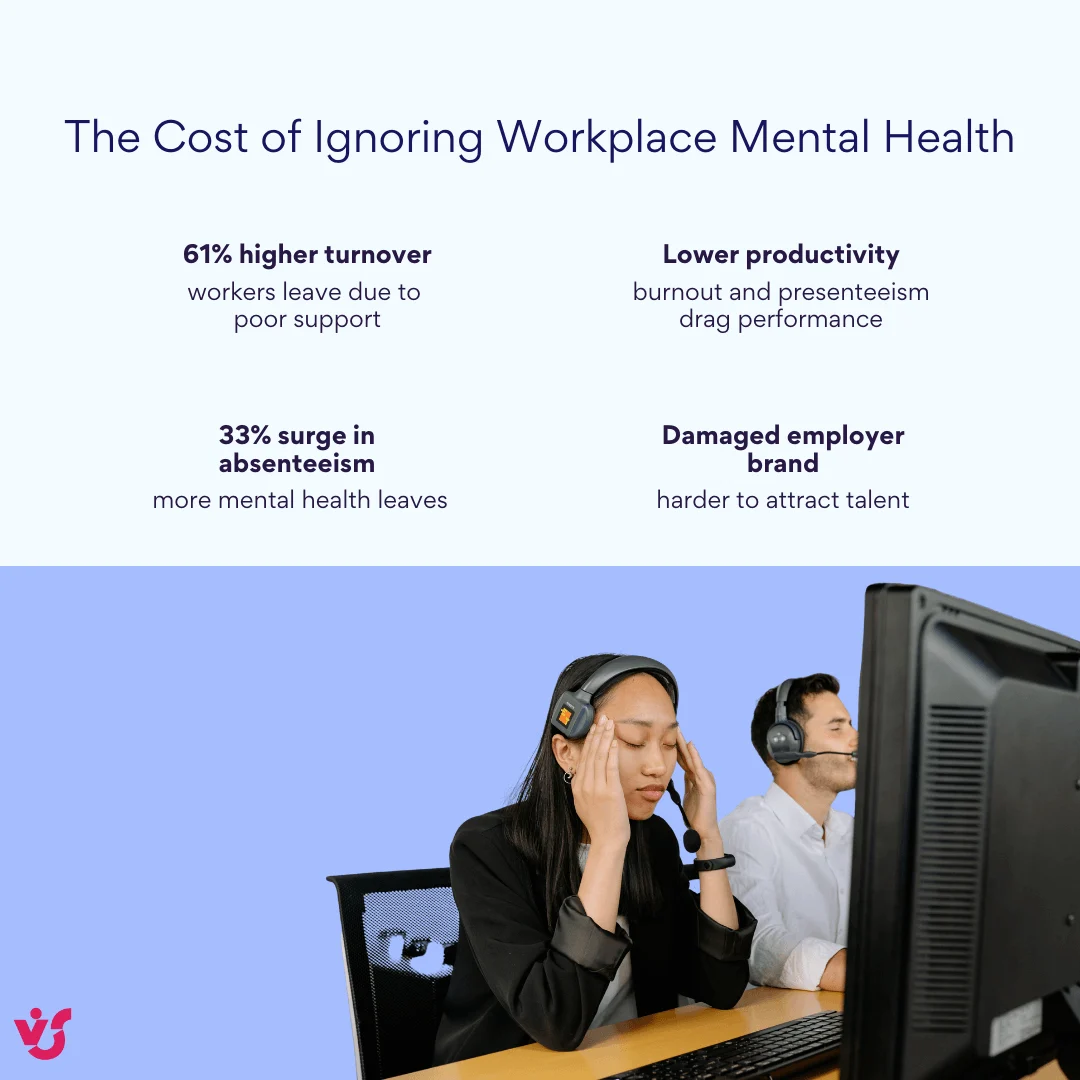
- Employee turnover surges, as 61% of those planning to leave mention poor mental health support.
- Absenteeism rises sharply, with mental health-related leaves up 33% year-over-year.
- Productivity and engagement drop due to presenteeism and burnout.
- The company’s reputation as an employer suffers, making talent attraction harder.
By contrast, companies that invest in mental health support programs reap significant rewards:
- Reduced costs from fewer replacements, onboarding, and absenteeism payouts.
- Higher employee engagement and loyalty, with happy teams 13% more productive.
- A stronger corporate culture that attracts top talent and creates a competitive edge in the job market.
Prioritizing workplace mental health is a smart business strategy that builds resilience for everyone.
Section 2: Key Mental Health Issues in the Workplace
Mental health challenges at work are widespread and can quietly erode productivity, and team dynamics. Recognizing these common issues is the first step toward supporting employee mental health.
2.1 What are the most common mental health issues in the workplace?
Here’s a breakdown of the key conditions affecting mental health and work, along with their causes and impacts:
- Chronic stress: Long-term pressure from tight deadlines, conflicts, high managerial expectations, and insufficient recovery time transforms normal work stress into a constant burden. This leads to physical symptoms like headaches or insomnia, poor concentration, and mood swings that disrupt performance.
- Burnout: Stemming from stress without breaks, burnout shows up as emotional exhaustion, cynicism about work, and feelings of ineffectiveness. Employees may disengage entirely, dragging down team morale.
- Anxiety disorders: Unpredictable workloads, fear of errors or job loss, information overload, and unrelenting demands can spark persistent worry, irritability, sleep issues, or even panic attacks, making it hard to stay collaborative.
- Depressive states: Symptoms like apathy, low energy, loss of interest in tasks, and foggy thinking often go unnoticed, especially in high-performers who mask their struggles. This drains reliability from the team.
- Concentration issues and cognitive overload: Endless notifications, back-to-back meetings, and distractions create “brain fog,” leading to mistakes, fatigue, and reduced efficiency in completing work.
- Social isolation: Remote or hybrid setups can leave employees feeling disconnected without face-to-face interactions, lowering motivation, and weakened peer support networks.
- Work–life balance issues: Blurred lines between professional and personal time — think evening emails or weekend catch-ups — fuel fatigue and anxiety, particularly for distributed teams lacking clear boundaries.
Section 3: Causes of Declining Employee Mental Health
Mental health in the workplace doesn’t decline in isolation. It’s often triggered by everyday organizational habits and cultural norms. Understanding it empowers managers to make changes that support employee mental health.
3.1 Main Triggers Behind the Mental Health Decline
Here are the most common factors affecting mental health at work, along with their ripple effects:
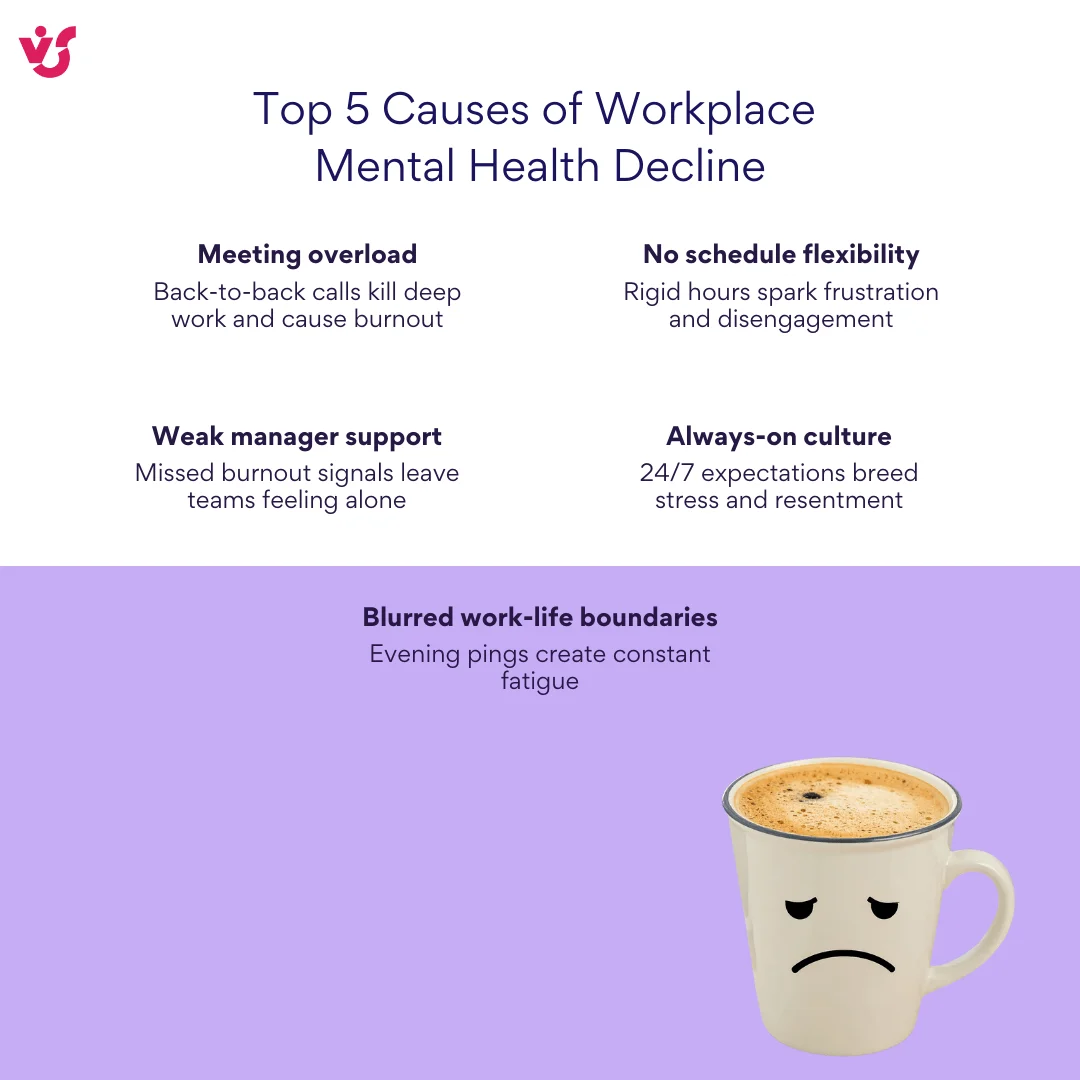
- Work overload, excessive meetings, and lack of focus: Employees often face days chopped into fragments by back-to-back meetings, leaving zero room for deep work. Constant task-switching and call marathons breed exhaustion, and eventual burnout, tanking productivity over time.
- Lack of flexibility, schedule control, and time to recover: When workers can’t own their schedules — deciding when to dive in, step back, or recharge — frustration builds fast. Rigid hours, denied breaks, or ignored personal rhythms spark disengagement.
- Insufficient support from managers and HR: Managers who miss burnout signals or skip feedback leave employees feeling unsupported. HR teams stretched thin without proper tools struggle to deliver the proactive mental health support that makes a difference.
- Blurred boundaries between work and personal life: Remote and hybrid setups erase the line between office and home, with evening pings, off-hour meetings, and skipped breaks becoming the norm. This “always reachable” trap fuels fatigue and emotional drain.
- “Always-on” culture and performance pressure: The unspoken rule that top performers are online 24/7, responding instantly, creates a toxic grind. Relentless demands for peak output ignore rest needs, ramping up stress, anxiety, and long-term resentment.
Spotting these causes is key to creating a workplace where mental health not just survives, but thrives.
Section 4: Strategies and Practices for Supporting Mental Health
Supporting mental health in the workplace goes beyond one-off initiatives: it requires weaving care into company culture and daily operations. These strategies help build environments where employees feel valued and resilient.
4.1 Company Mental Health Policies and Culture
- Implement policies for open dialogue and support: Forward-thinking organizations create clear internal policies that normalize conversations about mental health challenges. This removes stigma and encourages employees to seek help early, and fosters a culture of trust and care.
- Train managers in emotional intelligence skills: Leaders play a pivotal role in spotting burnout. Equipping them with training in active listening, empathy, and sensitive feedback ensures they can support teams without adding pressure.
- Employee Assistance Programs (EAPs): These confidential services offer employees quick access to counseling, stress management resources, legal or financial advice, and crisis support.
- Access to professional help: Extend benefits to include psychologists, coaches, or partnerships with mental health providers. Make sure every employee knows these resources exist and how to use them discreetly.
Introducing these practices signals that mental health support for employees is a priority, improving morale and performance.
4.2 Supporting Work–Life Balance
A healthy work–life balance is foundational to mental health in the workplace, helping employees recharge and return stronger. These practices restore boundaries and give teams the space they need to flourish:
- Flexible schedules and remote work: Empowering employees to tailor their hours shows trust and respect for their lives outside work. This boosts a sense of control, and keeps motivation high even on tough days.
- Limiting meetings and working hours: Too many meetings fragment focus and breed frustration — counter this with “quiet hours” for uninterrupted work, and smart calendar rules that protect deep-focus time. Free tools like the Virto Time Blocking App for Microsoft Teams make this effortless by analyzing your calendar, automatically scheduling breaks between meetings, creating focus periods with just a couple of clicks.
- Supporting mindfulness and self-care initiatives: Encourage recovery through “wellness days” (extra time off for recharge), company-covered meditation apps, fitness classes, or mental health workshops. Regular nudges for breaks, walks, and solid sleep help prevent burnout before it starts. Especially vital in remote setups ❗️
4.3 Digital Solutions as Part of a Well-Being Strategy
Beyond policies and culture, digital tools play an important role in monitoring workloads, enforcing boundaries, and promoting recovery. These solutions make supporting mental health at work practical for teams.
How to deal with mental health in the workplace?
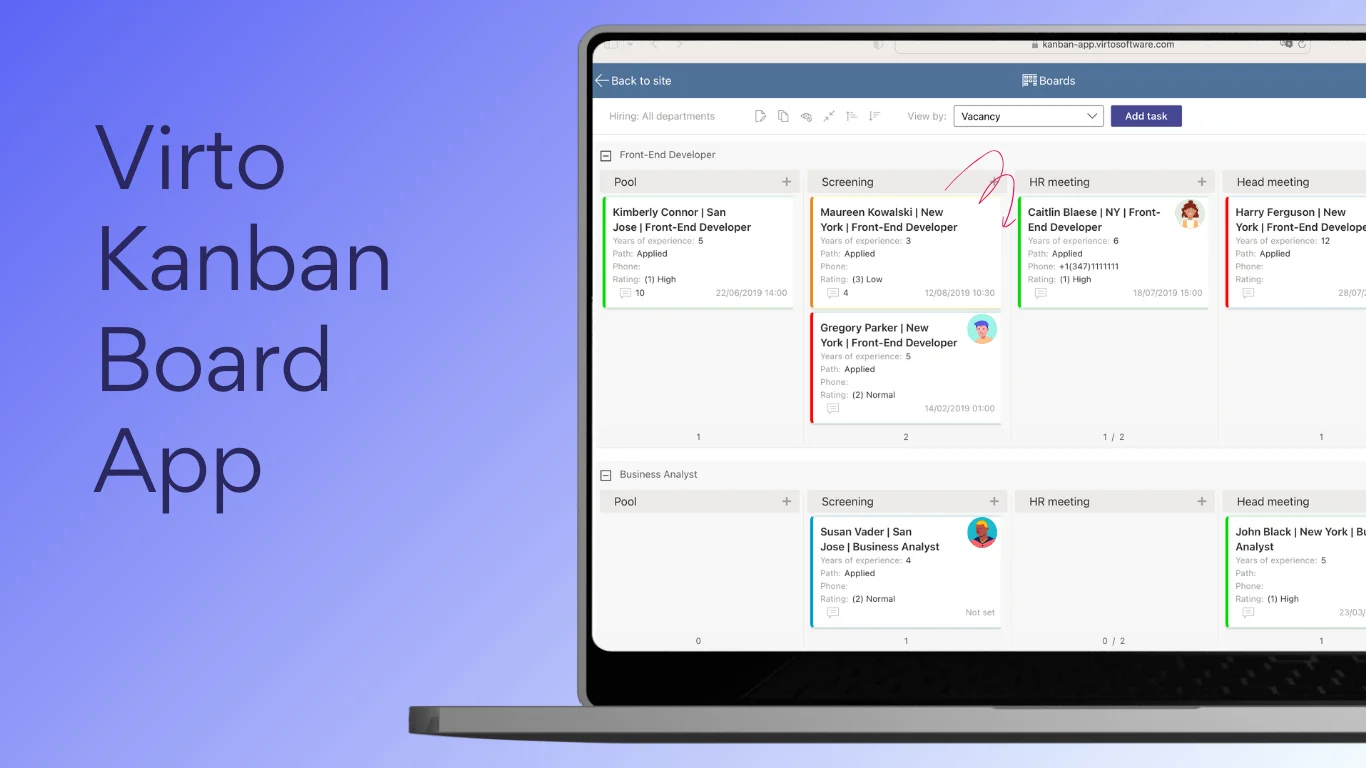
- Task planning and distribution platforms: Tools like the Virto Kanban Board track workloads and set WIP limits, preventing overload and deadline clashes while giving everyone breathing room to focus.
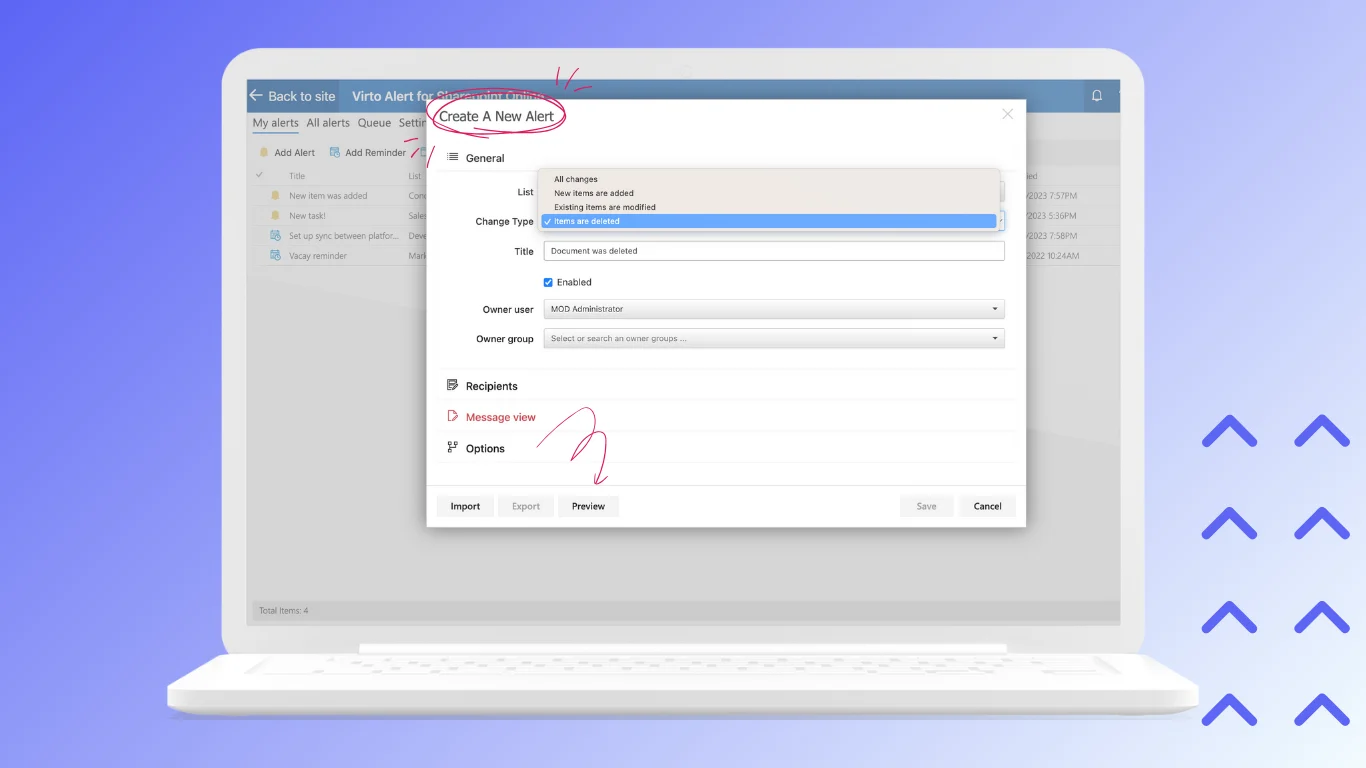
- Reminder and notification tools: Apps such as Virto Alerts & Reminder app ping employees for breaks or downtime throughout the day, building healthy habits and combating the exhaustion of constant “on” mode.
- Mindfulness programs and apps: Platforms like Headspace or Calm offer stress-relief exercises, and quick mental resets, helping employees recharge.
- Calendars with analytical features: Advanced calendars that spot meeting overloads and flag busy days empower self-regulation, making it easier to prevent fatigue before it spirals.
4.4 Virto Shared Calendar and Focus Management
One powerful technological solution for reducing stress from calendar overload is the Virto Shared Calendar — a tool designed to optimize Microsoft Teams calendars and bring better focus to the whole team.
How Virto Shared Calendar Supports Mental Health
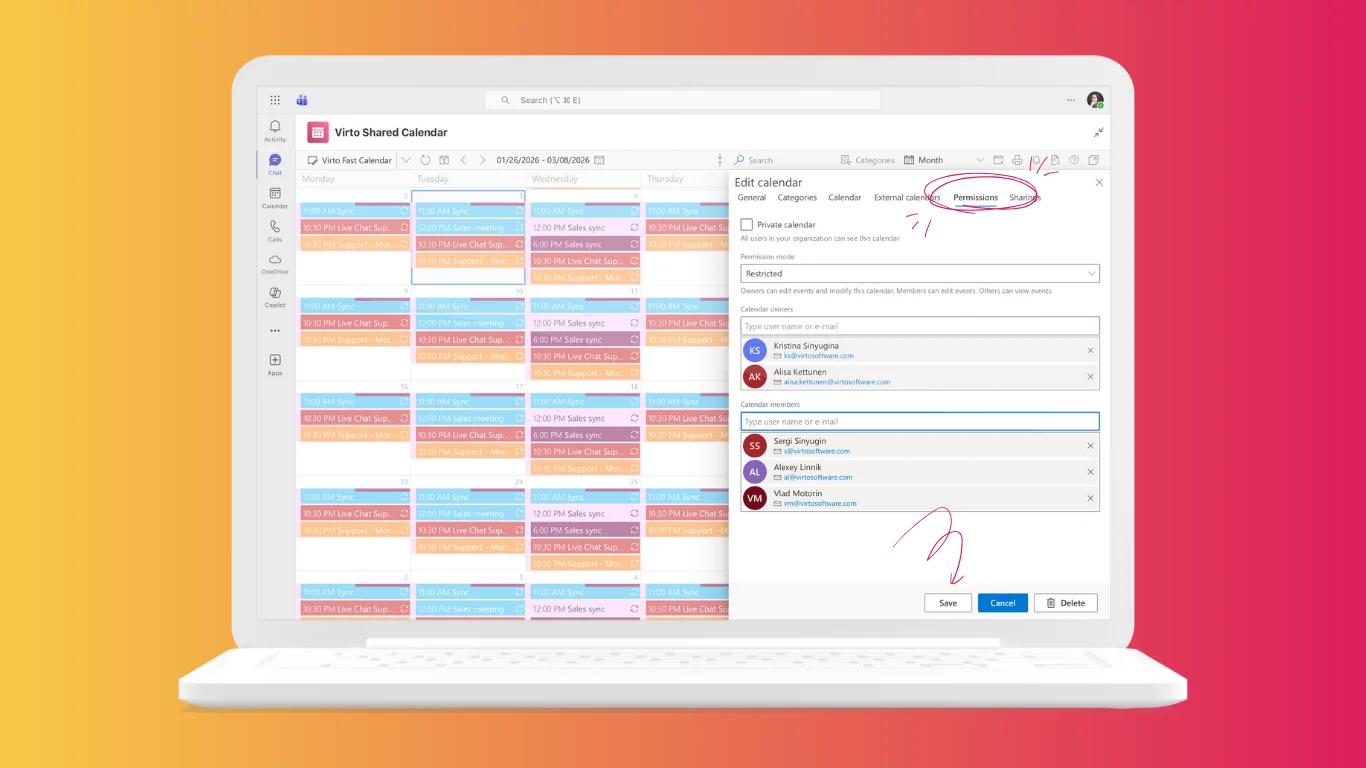
This app gives employees one clear, shared calendar of the team’s events in Microsoft Teams, helping everyone spot overloaded days. Teams can proactively adjust, consolidate meetings, or redistribute time blocks for smoother workflows.
While Virto Shared Calendar doesn’t include built-in time-blocking or focus modes, its simple setup in Teams — along with the robust capabilities of the Virto Calendar App for enterprises — makes setup and daily use effortless. These tools reduce meeting fatigue, ease workload stress, and create essential space for the mental recharge.
Section 5: How to Improve Mental Health in the Workplace
Improving mental health in the workplace requires a proactive, data-driven approach that starts with understanding your team’s reality.
5.1 Assessing the Current State
Assessment is the foundation — it reveals overload levels, and clarifies what truly impacts employee mental health.
- Conduct a mental health audit in the company: Begin with an honest look at the status quo. Understand how employees feel overall, measure workload intensity, and identify aspects sparking burnout, or disengagement.
- Use anonymous surveys and well-being questionnaires: Deploy regular anonymous pulse surveys (monthly or quarterly) so team members can share insights without fear. Focus questions on burnout symptoms, stress triggers, work–life balance satisfaction, and motivation levels.
- Analyze workload via calendars and performance data: Review digital patterns like meeting density, task delays, or back-to-back scheduling. High meeting loads or chronic postponements often signal cognitive overload and the need for better focus protection.
Turning insights from assessments into action creates real momentum for better workplace mental health. Prioritizing the right steps ensures sustainable progress without overwhelming teams.
5.2 Set Priorities and Choose Tools
With a clear picture of your current state, focus on high-impact priorities and targeted interventions to address employee mental health challenges head-on.
- Focus on the most vulnerable teams: Start with departments showing red flags like high turnover, relentless project deadlines, or chronic stress — such as sales teams under quota pressure or large cross-functional groups.
- Implement digital solutions for managing overload: Choose tools like Virto Shared Calendar or Time Blocking apps to see schedule density, spot overloads, and let employees tweak calendars for better balance and focus time.
- Train managers on mental health topics: Equip leaders with workshops on emotional intelligence, active listening, burnout recognition, and trust-building. This fosters empathy and psychological safety across teams.
- Set metrics and track progress: Build well-being into your KPIs with simple trackers: percentage of employees reporting stress, overloaded days per calendar, weekly meetings per person, and satisfaction scores.
- Gradually scale successful practices: Pilot with one team, measure wins like higher engagement or fewer sick days, then roll out organization-wide to build momentum and showcase results.
These actions transform mental health support from intention to impact, creating healthier workplaces.
Conclusion
Employee mental health isn’t some vague, feel-good concept—it’s the solid bedrock supporting team resilience, productivity, and a healthy corporate culture that everyone wants to be part of. When employees feel psychologically supported at work, they bring their best selves to the table: more creative ideas flow, collaboration strengthens, and the entire organization gains a competitive edge.
Ignoring this reality is no longer an option for modern companies. Burnout, anxiety disorders, chronic stress, and other mental challenges don’t just hurt individuals—they cascade into serious business consequences. High turnover drains resources on endless recruiting and onboarding, absenteeism disrupts projects, and disengaged teams deliver lower-quality work that impacts revenue and customer satisfaction. The data speaks volumes: workplaces that neglect mental health support for employees see productivity losses in the thousands per person annually, alongside damaged reputations that make attracting top talent extremely difficult.
The encouraging truth is that transforming mental health in the workplace doesn’t require massive budgets. You can start making a meaningful difference right away with practical, accessible steps:
- Embed mindful practices into daily routines: Encourage regular breaks, “quiet hours” for focused work, and wellness check-ins to normalize self-care without stigma.
- Offer flexible scheduling: Let employees own their calendars with remote options, adjustable hours, and protected personal time to restore work–life balance.
- Train managers effectively: Build emotional intelligence skills so leaders can spot burnout early, and create psychological safety for open conversations.
- Use smart digital tools: Solutions like the Virto Shared Calendar, Virto Calendar App for enterprises, and Virto Kanban Board work inside Microsoft Teams and give teams clear visibility of busy days, so managers can spot overloads and plan breaks—reducing stress and improving focus.
With these strategies, companies not only safeguard employee well-being but also unlock higher engagement and loyalty. Take the first step today: assess your team’s needs, implement one or two changes, and measure the positive effects. Your workplace—and your bottom line—will thank you.